
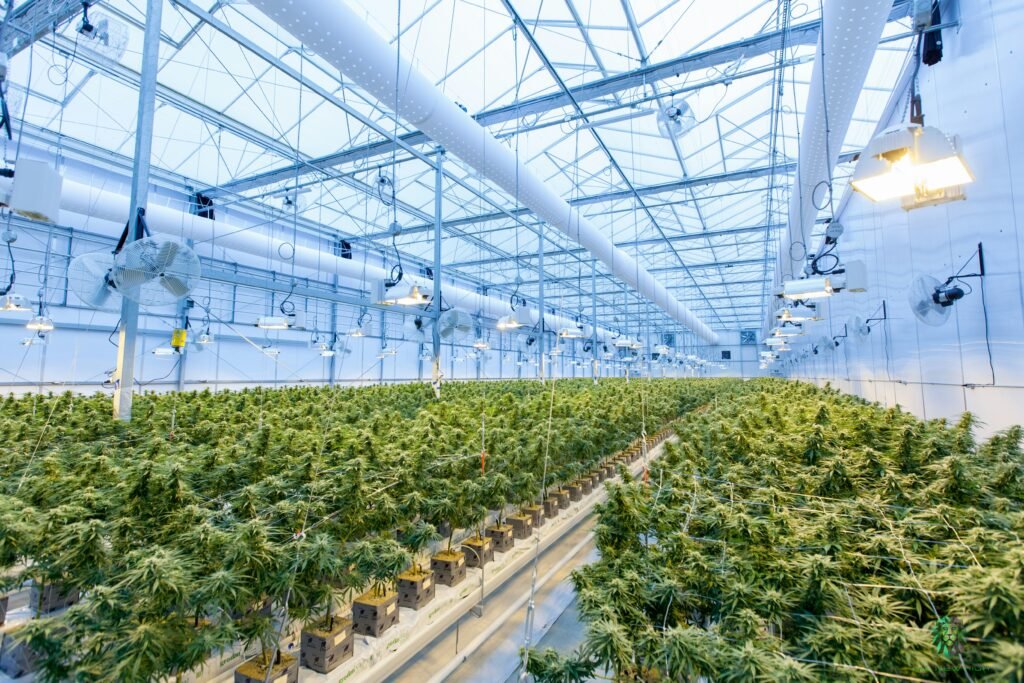
Sustainable agriculture seeks to satisfy society’s food and textile needs, enhance environmental quality, sustain the natural resource base, and improve the quality of life for farmers and society. In recent years, the role of cannabis in sustainable agriculture has become increasingly important. Cannabis, including industrial hemp and medicinal marijuana, is rapidly emerging as a crop that supports these sustainable agriculture principles.
Cannabis Cultivation and Soil Health
Cannabis is a versatile crop that fits into various farming systems due to its adaptability to diverse climates and soils. The plant has deep roots, which improve soil structure by reducing compaction, enhancing nutrient cycling, and preventing soil erosion. Furthermore, it helps maintain soil health by acting as a bio-accumulator, soaking up and storing toxins in the soil and gradually detoxifying it.
Cannabis cultivation requires fewer chemicals, such as pesticides and herbicides, as it naturally resists many pests and diseases. Reducing such inputs aligns with sustainable agriculture principles, reducing the negative environmental impact and promoting biodiversity.
Rotation Crop
Cannabis, particularly hemp, is an ideal rotation crop that breaks the cycle of disease and pests associated with continuously planting the same crop on the same land. The quick and robust growth of hemp outcompetes weeds, reducing the reliance on herbicides. Interrupting pest cycles decreases the need for pesticides in future plantings.
Cannabis’s sustainability as a rotational crop goes beyond pest management. The cannabis plant replenishes the soil with organic material through leaf drop and root decomposition, enhancing soil fertility and reducing the need for synthetic fertilizers in subsequent crops.
Resource Efficiency
Compared to many traditional crops, cannabis has shown remarkable resilience to adverse weather conditions. It can flourish with relatively less water, a characteristic that makes it suitable for regions experiencing water scarcity. This efficient use of resources aligns perfectly with the concept of sustainable agriculture.
Cannabis and Biodiversity
Biodiversity, a critical element of sustainable agriculture, involves the variability among living organisms. It buffers against extreme weather events and contributes to resilient ecosystems. The diverse variety of cannabis strains, each with different growth habits, flowering times, and resistance to environmental stresses, contributes to agricultural biodiversity. Also, the flowers of cannabis plants can serve as a food source for beneficial insects and pollinators, enhancing local biodiversity.
Socio-economic Impact
Cannabis cultivation plays a significant role in rural development and job creation. Its wide-ranging applications in the food, textile, construction, and pharmaceutical industries can potentially drive local economies. Small-scale farmers can benefit from the growing demand for medicinal and industrial hemp, providing them with a profitable and sustainable crop alternative.
Conclusion
As the laws and perceptions around cannabis continue to evolve, it is poised to play an increasing role in sustainable agriculture. The crop’s ability to improve soil health, its efficient use of resources, its contribution to biodiversity, and potential socio-economic benefits underscore its significance. However, to fully harness these benefits, conducting more research and implementing supportive policies to guide its cultivation and use responsibly is crucial.
Undeniably, cannabis has the potential to transform sustainable agriculture. It’s an area ripe for exploration, promising economic gains and ecological and societal advantages. As we navigate the climate crises of the 21st century, incorporating cannabis into sustainable farming practices may be a crucial part of the solution.